


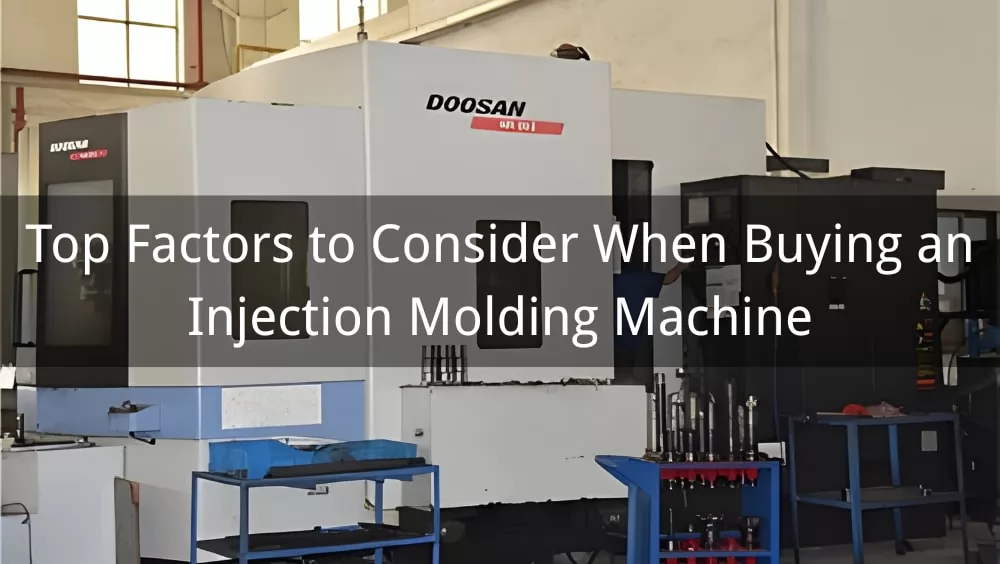
Selecting the right injection molding machine is a critical decision that impacts your production efficiency, product quality, and long-term operational costs. Whether you're establishing a new manufacturing facility, expanding production capacity, or upgrading existing equipment, understanding the key factors that influence machine selection will help you make an informed investment that aligns with your business objectives.
This comprehensive guide explores the ten most important considerations when purchasing an injection molding machine, combining technical specifications with practical business insights to ensure you choose equipment that delivers optimal performance for your specific needs.
Table of Contents
1. Production Requirements and Part Specifications
The foundation of any machine selection process begins with a thorough analysis of your production needs. Begin by evaluating:
- Part size and complexity: Determine the maximum dimensions of parts you'll be producing and assess whether they require intricate details, thin walls, or special features
- Production volume: Calculate your expected annual production quantities to determine whether you need a high-capacity machine or a more flexible mid-size solution
- Material types: Identify the specific plastics you'll be processing, including considerations for specialty resins that may require unique machine configurations
- Tolerance requirements: Parts demanding high precision will necessitate machines with exceptional repeatability and control systems
Matching machine capabilities to these fundamental requirements ensures you don't overpay for unnecessary features or underspecify equipment that can't meet production demands.
2. Clamping Force and Shot Capacity
These two technical specifications form the core of a machine's fundamental capabilities:
Clamping force (measured in tons) determines the machine's ability to keep the mold closed under injection pressure. Insufficient clamping force leads to flash defects, while excessive force wastes energy and may damage delicate molds. Calculate required clamping force based on your part size, material, and projected cavity pressure.
Shot capacity refers to the maximum volume of molten plastic the machine can inject per cycle. This is typically measured in ounces or grams for thermoplastics. Select a machine where your typical shot size requires 20-80% of the machine's maximum capacity for optimal efficiency and thermal stability.
Remember that these specifications must work in concert - a machine with adequate clamping force but insufficient shot capacity (or vice versa) won't deliver satisfactory performance.
3. Machine Type: Hydraulic, Electric, or Hybrid
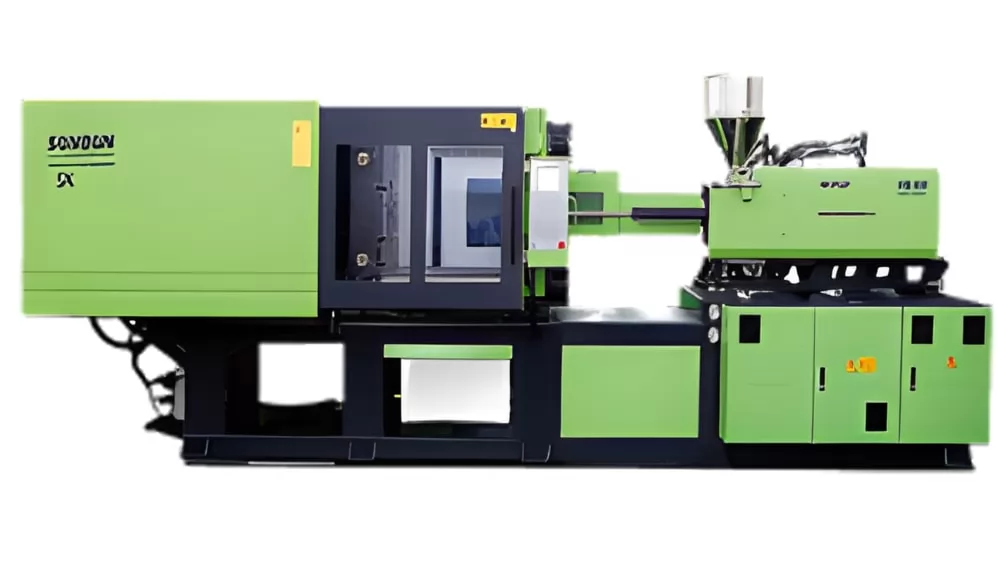
Modern injection molding machines come in three primary configurations, each with distinct advantages:
Hydraulic machines use fluid power for all operations and are known for their high force capabilities and relatively lower initial costs. They remain excellent choices for applications requiring substantial molding forces, though they typically consume more energy and offer less precise control than alternative systems.
All-electric machines employ servo motors for all movements, providing exceptional precision, energy efficiency (often 30-50% less consumption), and cleaner operation. These machines excel in precision applications and environments where energy costs are a significant concern, though they typically carry higher upfront costs.
Hybrid machines combine hydraulic and electric technologies, attempting to balance the benefits of both systems. They often feature electric injection systems with hydraulic clamping, offering a compromise solution that improves energy efficiency while maintaining hydraulic power capabilities.
Your choice should align with your priority factors - whether they be precision, energy efficiency, initial cost, or production force requirements.
4. Automation and Integration Capabilities
The level of automation you require should significantly influence your machine selection:
- Basic manual systems work well for low-volume production or shops with flexible staffing
- Semi-automatic operations may include robotic part removal or simple material handling systems
- Fully automated cells integrate sophisticated robotics, conveyors, and quality inspection systems for lights-out production
Consider your current and future automation needs, including:
- Compatibility with your preferred robot brands and end-of-arm tooling
- Available space for auxiliary equipment integration
- Control system compatibility with factory automation networks
- Potential for future expansion or system upgrades
Machines designed with automation-friendly features will provide greater flexibility as your production needs evolve.
5. Control Systems and Technology Features
Modern injection molding machines feature increasingly sophisticated control systems that impact both operational efficiency and product quality:
- User interface quality: Look for intuitive, responsive controls with clear visualization of process parameters
- Programming capabilities: Assess the ease of creating, saving, and modifying molding programs
- Process monitoring: Advanced machines offer real-time data on key parameters and may include predictive maintenance alerts
- Connectivity options: Consider machines with IoT capabilities for remote monitoring and data collection
- Closed-loop control systems: These automatically maintain critical parameters like pressure and temperature within specified tolerances
The sophistication of control technology represents a significant area of differentiation between machine models and manufacturers, with more advanced systems offering long-term productivity benefits.
6. Build Quality and Structural Integrity
The physical construction of an injection molding machine significantly influences its performance and service life. A well-built machine maintains precision under pressure and withstands continuous operation.
Frame rigidity minimizes deflection during molding, crucial for consistent part quality and dimensional accuracy, especially with tight tolerances.
Component quality affects longevity. High-grade bearings, guide rails, and moving parts resist wear and maintain precision over time.
Maintenance accessibility enables efficient service. Logical access points for routine maintenance reduce downtime and simplify upkeep.
Cooling system efficiency impacts cycle times and part quality by maintaining stable operating temperatures.
Overall construction standards reflect the manufacturer's attention to detail. Higher standards typically result in better long-term performance.
While premium components increase initial costs, they often lower total cost of ownership through reduced maintenance and extended service life.
7. Energy Efficiency and Operating Costs
Injection molding machines are major energy consumers in manufacturing. Key factors include motor efficiency ratings, hydraulic system performance with modern variable displacement pumps, heater band insulation and controls, and standby power usage during idle periods. These elements collectively determine the machine's energy consumption profile.
Evaluate total cost of ownership by considering both purchase price and long-term energy expenses. While energy-efficient machines may have higher upfront costs, they often yield significant savings through reduced utility bills—especially in high-volume production settings with continuous operation.
8. Safety Features and Compliance
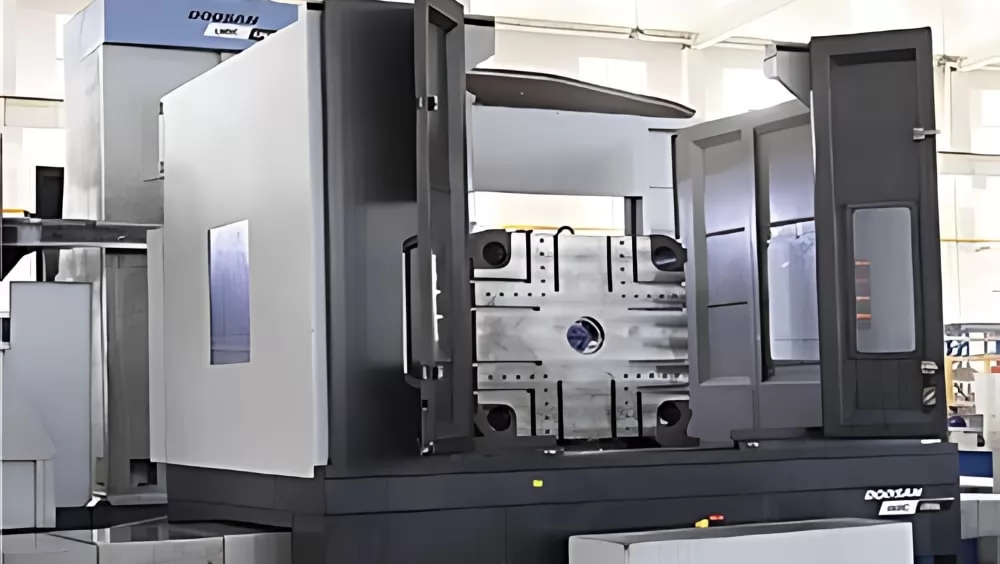
Modern manufacturing requires stringent workplace safety measures. Essential safety features include accessible emergency stop systems for rapid shutdown, safety interlocks that prevent access to moving parts during operation, and effective machine guarding systems that physically protect operators. Compliance with regional safety standards (such as OSHA or CE certifications) verifies the machine meets established regulatory requirements, while intuitive safety system designs can simplify operator training and reduce the risk of accidents.
Machines equipped with comprehensive safety features protect personnel and may qualify for lower insurance premiums, demonstrating compliance with workplace safety regulations while maintaining efficient production operations.
9. Vendor Support and After-Sales Service
The relationship with your equipment supplier extends far beyond the purchase transaction:
- Technical support availability: Assess the responsiveness and expertise of the vendor's support team
- Service network: Determine the availability of local service technicians and spare parts
- Training offerings: Comprehensive operator and maintenance training reduces downtime and improves machine utilization
- Warranty terms: Carefully review what's covered and for how long
- Upgrade paths: Consider whether the vendor offers modernization options for extending machine life
A supplier with strong technical support capabilities can help you maximize machine performance and quickly resolve issues when they arise.
10. Total Cost of Ownership and Return on Investment
While the initial purchase price is important, it's only one factor in your total investment. A comprehensive evaluation should consider multiple financial aspects that determine long-term value.
Initial acquisition cost compares base prices, but installation requirements add costs for foundations, electrical upgrades, and system integration. Training expenses cover operator and maintenance personnel instruction. Maintenance costs include routine service and spare parts, which vary by machine quality.
Productivity potential impacts efficiency and output, while financing options like leasing affect cash flow. Analyzing these factors ensures you select a machine with strong long-term value, not just the lowest upfront cost.
Making Your Final Decision
Selecting the right injection molding machine requires balancing multiple factors and priorities. Start by defining your production needs, then compare machine options based on precision, speed, flexibility, and cost efficiency.
For a dependable and cost-effective choice, Sunbun injection molding machines offer excellent precision and stability across various production scales. Choosing a trusted brand like Sunbun helps ensure reliable performance and long-term value in your manufacturing process.