


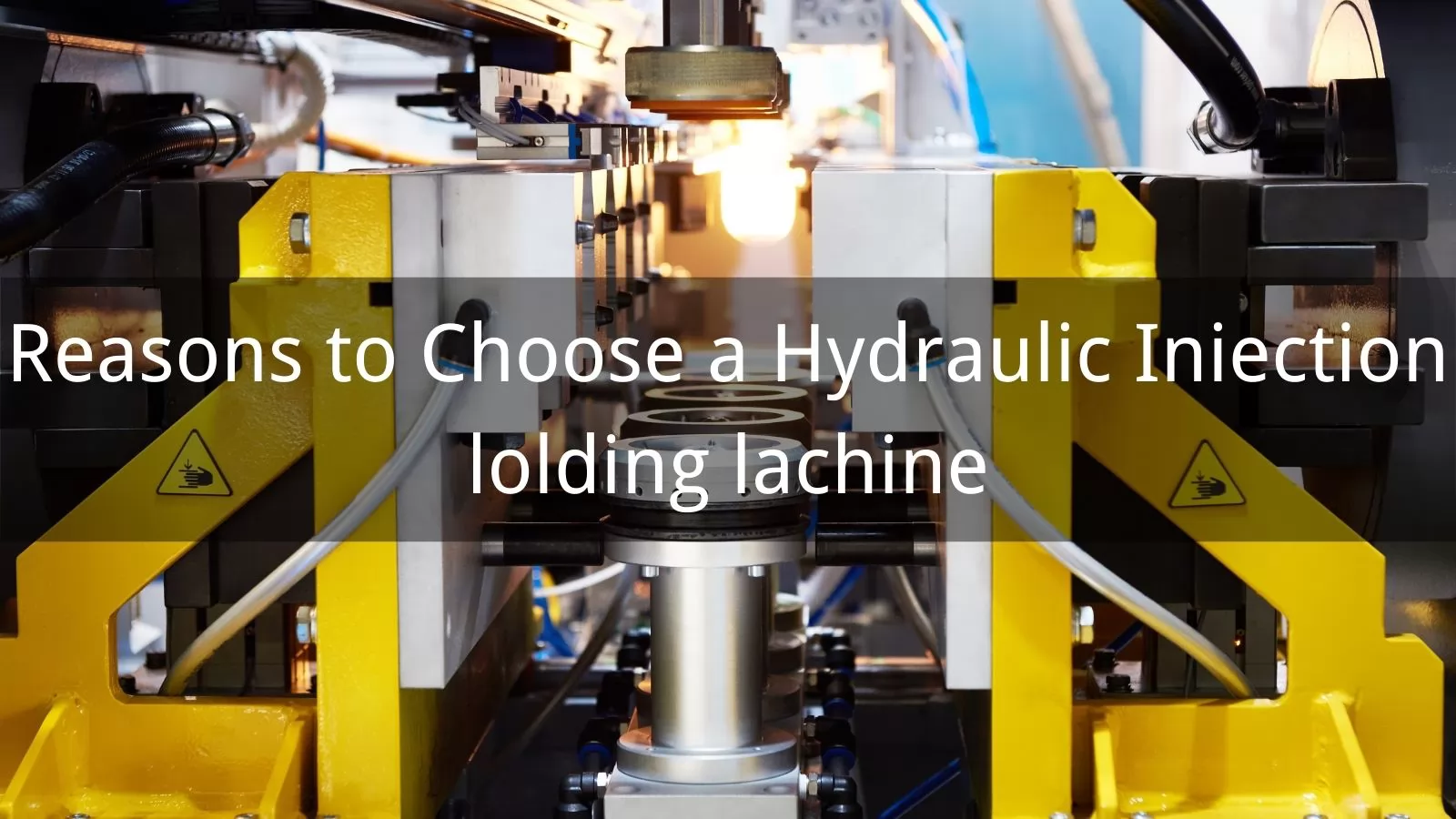
A hydraulic injection molding machine is a powerful tool in plastic manufacturing, utilizing hydraulic systems to deliver high force and efficiency. These machines are ideal for producing a wide range of products, from automotive parts to consumer goods. If you're considering investing in one, understanding the key advantages can help make an informed decision. Here are 8 compelling reasons to choose a hydraulic injection molding machine, each explored in detail to highlight their benefits in various manufacturing contexts.
8 Reasons to Choose a Hydraulic Injection Molding Machine
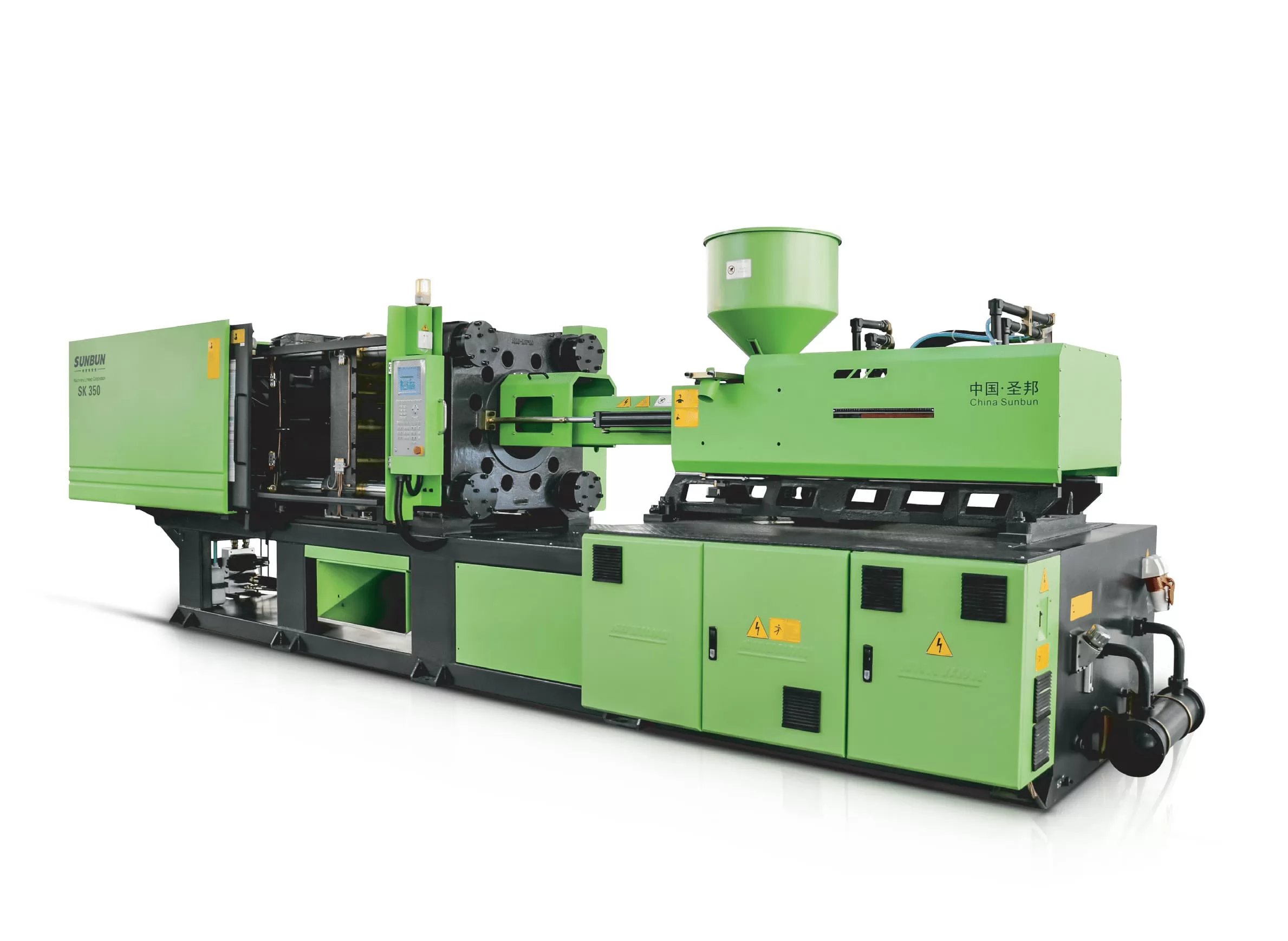
1. High Clamping Force
Hydraulic injection molding machines are renowned for their exceptional ability to provide high clamping force, which is a critical factor in ensuring the quality and precision of molded parts, especially those that are large or have complex geometries. The hydraulic system operates by using pressurized fluid to actuate cylinders that clamp the mold halves together with tremendous force, often measured in tons. This force is essential to counteract the internal pressure generated during the injection of molten plastic, preventing the mold from opening prematurely and causing defects such as flash, where excess material leaks out, or short shots, where the mold isn't fully filled.
In practical terms, this high clamping force allows manufacturers to produce parts with tight tolerances and superior surface finishes. For instance, in the automotive industry, where components like dashboards or bumpers require robust structural integrity, hydraulic machines ensure that the parts can withstand the stresses of assembly and use without warping or failing. Unlike electric machines, which may be limited in their force output due to motor constraints, hydraulics can scale up to handle clamping forces exceeding 5,000 tons, making them suitable for oversized molds that other systems might not accommodate.
Furthermore, the adjustability of hydraulic pressure enables fine-tuning for different materials and mold designs, enhancing process control. This flexibility reduces material waste and improves cycle efficiency, ultimately leading to cost savings over time. When compared to servo or all-electric alternatives, the sheer power of hydraulics provides a reliable solution for high-demand applications, ensuring consistent production runs and minimizing rejects. Overall, the high clamping force of hydraulic machines positions them as a go-to choice for industries requiring durable, high-quality plastic components.
| Machine Type | Typical Clamping Force Range (tons) | Suitable Applications |
|---|---|---|
| Hydraulic | 50 - 10,000+ | Large automotive parts, industrial containers |
| Electric | 5 - 500 | Small precision components |
| Hybrid | 50 - 2,000 | Medium-sized parts with energy efficiency |
2. Cost-Effective Initial Investment
One of the most attractive features of hydraulic injection molding machines is their cost-effective initial investment, making them accessible to a broad range of businesses, from small startups to large-scale manufacturers. Unlike all-electric or hybrid models, which incorporate advanced electronic components and servo motors that drive up production costs, hydraulic machines rely on simpler, time-tested mechanical and fluid-based systems. This simplicity in design translates to lower manufacturing expenses, allowing suppliers to offer these machines at a more competitive price point without compromising on core functionality.
For companies entering the plastic molding market or expanding their operations, this affordability means they can allocate resources more efficiently—perhaps investing in additional molds, raw materials, or workforce training rather than sinking all funds into equipment. In regions where budget constraints are a significant factor, such as emerging markets, hydraulic machines provide an entry point into advanced manufacturing technologies that might otherwise be out of reach. While it's true that operational costs, particularly energy consumption, can be higher due to the constant running of hydraulic pumps, the long-term return on investment often outweighs these expenses, especially in high-volume production environments where the machine's robustness pays off.
Additionally, the lower entry cost facilitates scalability; businesses can start with one or two machines and gradually add more as demand grows. This modular approach reduces financial risk and allows for testing market waters before full commitment. When evaluating total cost of ownership, including purchase price, installation, and initial setup, hydraulic machines often emerge as the economical choice, particularly for operations not requiring the pinpoint energy efficiency of more expensive alternatives. In summary, the cost-effectiveness of hydraulic injection molding machines democratizes access to high-performance manufacturing equipment, enabling broader innovation and growth across industries.
- Lower purchase price compared to electric models
- Affordable for startups and small businesses
- Savings can be reinvested in molds and materials
- Scalable for gradual expansion
- Balanced total cost of ownership
3. Proven Reliability and Durability
Hydraulic injection molding machines have earned a reputation for proven reliability and durability, stemming from their long history in the manufacturing sector. Developed and refined over decades, these machines feature rugged components such as heavy-duty pumps, cylinders, and valves that are engineered to endure the rigors of continuous operation in demanding industrial settings. This resilience means they can handle extended production runs with minimal interruptions, which is vital for maintaining productivity and meeting tight deadlines in competitive markets.
The durability of hydraulic systems is particularly evident in their ability to operate under varying conditions, including high temperatures, dust, and humidity, without significant performance degradation. Unlike newer technologies that may rely on sensitive electronics prone to failure in harsh environments, hydraulics use mechanical principles that are less susceptible to such issues. Regular maintenance, such as fluid changes and seal inspections, further extends their lifespan, often allowing machines to function effectively for 20 years or more with proper care.
In real-world applications, this reliability translates to lower downtime and repair costs, providing manufacturers with peace of mind. For example, in the construction industry, where equipment must produce durable plastic fittings reliably, hydraulic machines ensure consistent output. Their track record is supported by extensive case studies and user testimonials, highlighting fewer breakdowns compared to some electric counterparts. Ultimately, the proven reliability and durability of hydraulic injection molding machines make them a dependable investment for long-term manufacturing success, offering stability in an ever-evolving industry.
| Aspect | Benefit | Example |
|---|---|---|
| Component Strength | Heavy-duty pumps and cylinders | Withstands 24/7 operations |
| Environmental Resistance | Operates in high heat and dust | Construction sites |
| Lifespan | 20+ years with maintenance | Reduced replacement costs |
4. Versatility for Large Parts and High-Volume Production
The versatility of hydraulic injection molding machines makes them exceptionally suited for producing large parts and handling high-volume production demands. Their hydraulic drive systems allow for precise control over injection speed, pressure, and clamping force, enabling adaptation to a wide array of mold sizes and part complexities. This adaptability is crucial in industries like aerospace and automotive, where components vary from small intricate pieces to large structural elements, all requiring consistent quality.
For high-volume production, hydraulic machines excel by maintaining steady cycle times and output rates, often running 24/7 with minimal oversight. Their capacity to integrate with automation systems, such as robotic arms for part removal, further enhances efficiency, reducing labor costs and increasing throughput. In consumer goods manufacturing, for instance, these machines can produce thousands of units per day, from bottle caps to appliance housings, without sacrificing precision.
Moreover, the ability to process diverse materials, including reinforced plastics and thermoplastics, adds to their versatility. Manufacturers can switch between projects seamlessly, optimizing machine utilization. When compared to less flexible systems, hydraulics offer a broader operational range, making them ideal for custom or variable production runs. This multifaceted capability not only boosts profitability but also positions businesses to respond quickly to market changes, ensuring they remain competitive in dynamic sectors.
- Precise control over speed and pressure
- Integration with automation
- Handles diverse materials
- Suitable for custom runs
- Boosts profitability in dynamic markets
5. Excellent Handling of Thick Materials
Hydraulic injection molding machines demonstrate excellent handling of thick materials, a feature that sets them apart in applications requiring substantial material flow and pressure. Thick-walled parts, such as those used in plumbing fixtures or heavy machinery components, demand high injection forces to ensure complete filling of the mold cavity without voids or sink marks. The hydraulic system's ability to generate and sustain elevated pressures facilitates this, pushing viscous molten plastics deep into the mold for uniform distribution.
This proficiency reduces defects and improves part strength, which is essential for products subjected to mechanical stress or environmental exposure. In the medical field, for example, hydraulic machines produce durable containers and devices that must meet stringent safety standards. The controlled pressure also allows for slower injection speeds when needed, minimizing shear stress on sensitive materials and preserving their properties.
Additionally, advancements in hydraulic technology, like proportional valves, enhance precision in material handling, allowing for fine adjustments that optimize cycle times and energy use. Compared to electric machines, which may struggle with the torque required for thick materials, hydraulics provide a more robust solution, leading to higher yield rates and lower scrap. This capability not only enhances product quality but also contributes to sustainable manufacturing by reducing waste, making hydraulic machines a preferred choice for challenging material applications.
| Material Type | Challenges | How Hydraulics Help |
|---|---|---|
| Thick-Walled Plastics | High viscosity, risk of voids | Sustained high pressure for uniform fill |
| Reinforced Composites | Shear stress on fibers | Controlled injection speeds |
| Viscous Resins | Poor flow | Elevated forces for deep mold penetration |
6. Mature and Well-Established Technology
The mature and well-established technology behind hydraulic injection molding machines offers a wealth of benefits derived from years of refinement and widespread adoption. Since their inception, these machines have undergone continuous improvements, resulting in optimized designs that balance performance, cost, and ease of use. This maturity means there's a vast ecosystem of support, including detailed documentation, training programs, and a global network of service providers familiar with the technology.
Operators benefit from intuitive controls and straightforward troubleshooting, reducing the time needed to achieve proficiency. In educational settings or for new entrants in manufacturing, this accessibility accelerates learning and implementation. Furthermore, the established nature allows for easy integration with existing factory setups, minimizing disruption during upgrades.
Innovations such as energy-efficient pumps and smart sensors have modernized hydraulics, addressing past concerns like energy consumption while retaining core strengths. This blend of tradition and innovation ensures relevance in contemporary manufacturing. Industries reliant on proven methods, like packaging and electronics, appreciate the stability, knowing that hydraulic technology has been vetted through countless applications. Overall, the mature status of hydraulic injection molding machines provides a reliable foundation for businesses seeking dependable, evolving solutions.
- Extensive support ecosystem
- Intuitive controls for operators
- Easy integration with factories
- Modern innovations like efficient pumps
- Vetted through industry applications
7. Large Injection Volume Capabilities
Hydraulic injection molding machines boast large injection volume capabilities, enabling the production of substantial parts in a single shot, which is invaluable for efficiency and cost reduction. The hydraulic mechanism allows for powerful plungers and screws that can displace significant amounts of molten plastic—often several kilograms—into the mold cavity. This is particularly beneficial for creating oversized items like automotive panels, storage bins, or furniture components, where assembling multiple smaller pieces would increase complexity and expense.
By minimizing the number of cycles needed for large parts, these machines enhance productivity and reduce energy consumption per unit. In logistics and storage industries, where durable, voluminous products are standard, this capability ensures seamless manufacturing. The ability to handle large volumes also supports multi-cavity molds, amplifying output for high-demand scenarios.
Moreover, precise control over injection parameters prevents issues like overpacking or underfilling, maintaining part integrity. When contrasted with systems limited by smaller shot sizes, hydraulics offer superior scalability, allowing manufacturers to tackle diverse projects without equipment changes. This versatility not only streamlines operations but also opens opportunities for custom large-scale productions, fostering innovation and market expansion.
| Shot Size Range | Applications | Benefits |
|---|---|---|
| Up to several kg | Automotive panels | Single-shot efficiency |
| Multi-cavity support | Storage bins | Increased throughput |
| Scalable volumes | Furniture parts | Reduced assembly costs |
8. Ease of Maintenance and Parts Availability
The ease of maintenance and widespread parts availability for hydraulic injection molding machines contribute significantly to their appeal, ensuring minimal operational disruptions and cost-effective upkeep. These machines feature modular components that are accessible for inspection and replacement, with standard procedures for tasks like oil changes, filter replacements, and seal checks. Technicians can often perform maintenance using basic tools, without needing specialized training beyond fundamental hydraulics knowledge.
Parts such as pumps, hoses, and valves are readily available from numerous suppliers worldwide, thanks to the technology's ubiquity. This availability reduces lead times for repairs, keeping production lines active. In contrast to proprietary systems in some electric machines, hydraulic parts are often interchangeable across brands, offering flexibility and cost savings.
Regular preventive maintenance programs further extend machine life, with diagnostic tools monitoring fluid conditions and pressure levels to preempt failures. For global operations, this reliability is crucial, as local service networks can quickly address issues. Ultimately, the straightforward maintenance and abundant parts supply of hydraulic machines lower total ownership costs, making them a practical choice for sustained manufacturing efficiency.
- Modular components for easy access
- Standard maintenance procedures
- Readily available parts worldwide
- Interchangeable across brands
- Preventive programs extend life
Conclusion
Selecting a hydraulic injection molding machine offers numerous benefits tailored to various manufacturing needs. From high force capabilities to cost savings, these machines provide a solid foundation for efficient production. For those interested, exploring options from reputable manufacturers like Sunbun Machine can ensure quality and support. Contact suppliers for detailed information to match your specific requirements.