


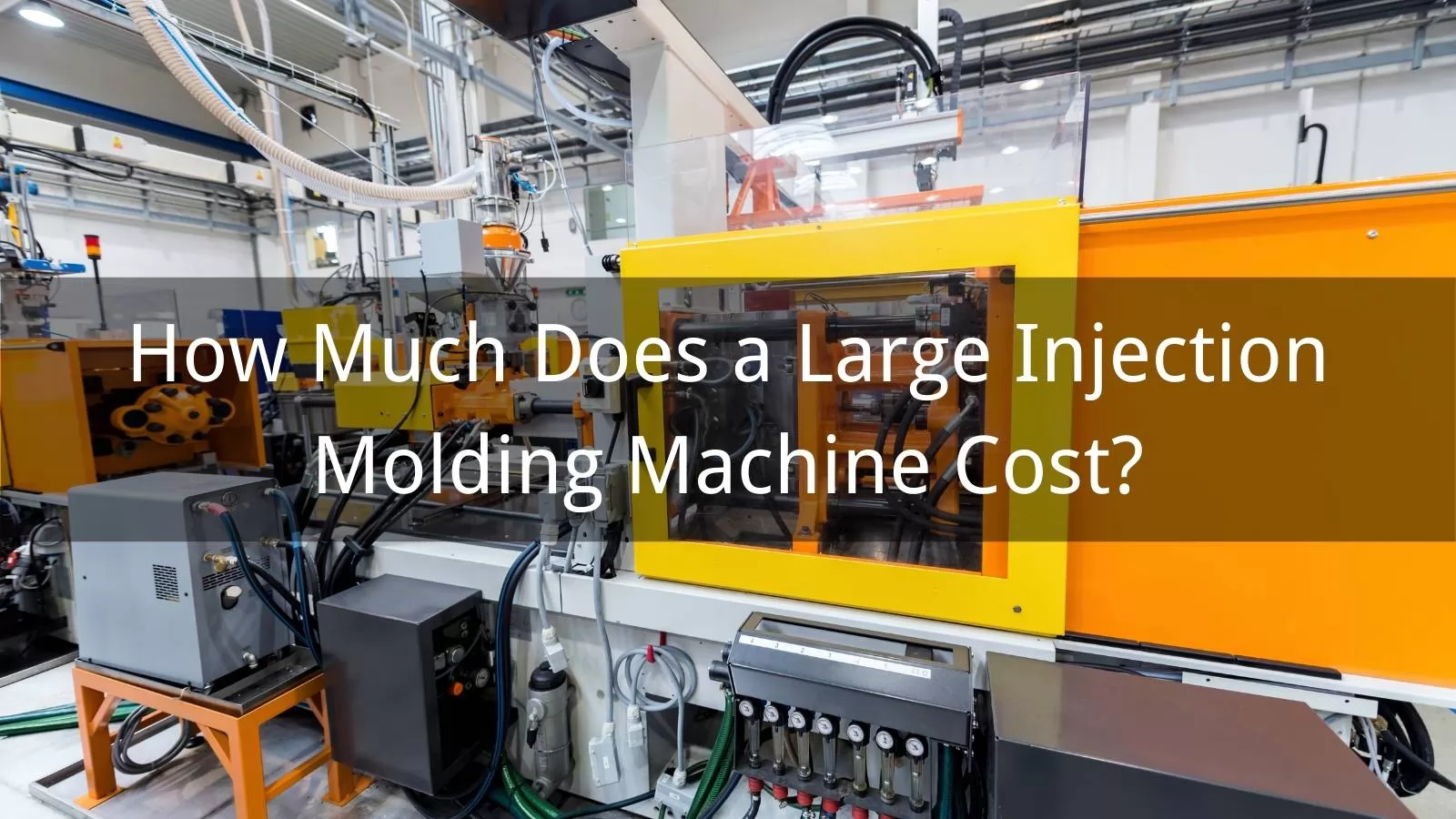
Have you ever wondered how much a large injection molding machine will truly cost in the fluctuating market of 2025? As global manufacturing demands scale up and supply chains evolve, determining the final price tag has become more complex than ever.
Large injection molding machines serve as the critical backbone for heavy industry sectors worldwide. From manufacturing robust automotive bumpers and dashboards to producing essential logistics pallets, home appliance casings, and large-scale environmental waste containers, these machines are indispensable. In 2025, the investment required for these massive systems can vary dramatically based on tonnage, drive technology, and the specific complexity of your application. Prices typically start from approximately $50,000 for standard, mid-sized operational models and can soar to well over $1,000,000 for high-precision, multi-component industrial systems designed for specialized tasks.
Several critical variables influence this cost, including the clamping force, the physical tie-bar spacing required for large molds, the choice between servo-drive and electric technology, screw design customization, and the integration of advanced automation peripherals. Whether you are looking to acquire a 3300-ton beast for automotive structural parts or a versatile 1000-ton machine for consumer appliances, understanding these variables in depth is essential to budgeting accurately and avoiding unexpected hidden costs down the line.
This comprehensive guide breaks down the full cost structure of large injection molding machines in 2025, offering detailed insider insights to help you maximize your Return on Investment (ROI). Contact us today for a free professional consultation.
Article Directory |
|
What Factors Influence Injection Molding Machine Prices?
The final price tag of a large injection molding machine is never arbitrary. It is a direct reflection of global raw material costs (such as steel and electronic components), the level of engineering precision required, and the sophistication of the technology stack integrated into the unit. To understand where your money goes, we must examine the primary cost drivers in detail.
1. Clamping Force & Physical Size
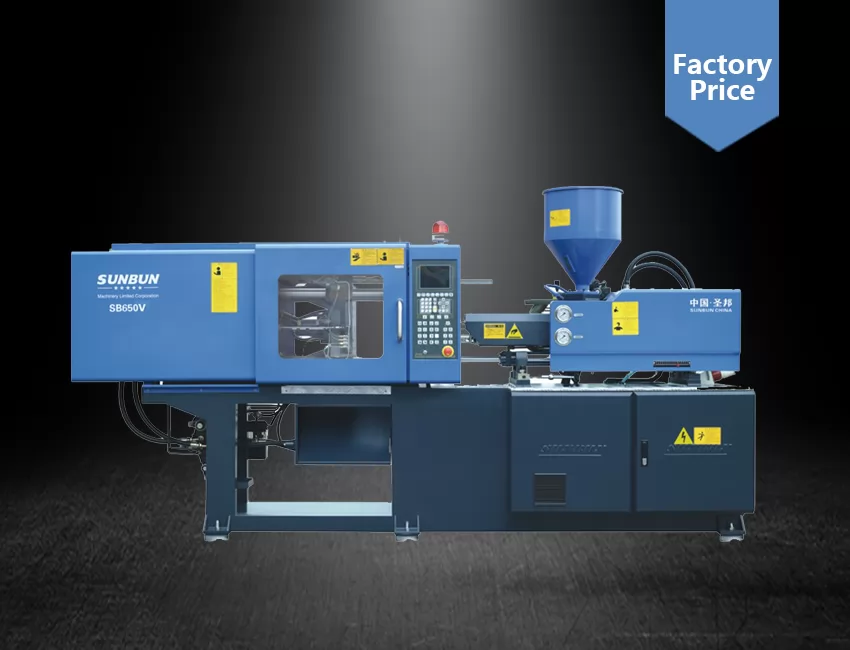
The clamping force (measured in tons) remains the most visible and direct determinant of injection molding machine prices. Simply put, higher tonnage capability allows for larger part production, which requires a significantly more robust machine structure. However, for large machinery, the cost isn't driven by force alone; it is heavily influenced by Tie-Bar Spacing and Platen Size. Large molds—such as those used for automotive bumpers or logistics crates—require massive physical clearance between the bars. This necessitates larger, heavier steel castings to prevent deflection under pressure, which drives up material and manufacturing costs exponentially.
| Category | Tonnage Range | Typical Applications | Est. Price Range (USD) |
|---|---|---|---|
| Medium-Large | 500T – 800T | Crates, Office Chairs, Small Appliance Parts | $60,000 – $140,000 |
| Large Industrial | 900T – 1600T | Auto Logistics Boxes, Pallets, Washing Machines | $150,000 – $350,000 |
| Super Heavy Duty | 1800T – 3500T+ | Automotive Bumpers, Large Waste Bins, Water Tanks | $400,000 – $1,200,000+ |
Technology Note: Advanced structural designs, such as the "Center Clamping" toggle system found in high-end machines (like the Sunbun SK Series), can alter this value proposition. Unlike traditional designs that may stress the platen edges, center clamping concentrates force directly behind the mold. This 100% utilization efficiency often allows manufacturers to run molds on slightly smaller, more cost-effective machines without sacrificing quality.
2. Drive Technology: Servo vs. Electric
The power system serves as the heart of the machine, impacting not only the upfront purchase price but also the long-term Total Cost of Ownership (TCO).
Servo Hydraulic Machines have become the undisputed industry standard for large tonnage applications in 2025. They offer the optimal balance of raw power, durability, and cost-efficiency. By utilizing high-torque servo motors that only spin when pressure is actively required, they can reduce energy consumption by 30-80% compared to old-school fixed-pump systems. For machines exceeding 1000 tons, servo-hydraulic technology is generally the most economically viable choice for general manufacturing.
All-Electric Machines continue to command a significant price premium, often 30-50% higher than their hydraulic counterparts. While they offer unparalleled benefits for clean-room environments and extreme precision (with 0.01mm repeatability), the manufacturing cost of electric motors powerful enough to generate 1000+ tons of clamping force is astronomical. Consequently, these are typically reserved for high-margin medical or optical parts where oil contamination is strictly prohibited.
3. Brand Positioning and Manufacturing Origin
The "Brand Premium" remains a major factor in pricing. Top-tier European or Japanese brands (such as Engel, Husky, or Sumitomo) invest heavily in R&D and global marketing, resulting in prices that can be 2 to 3 times higher than comparable machinery from other regions. However, the quality gap has narrowed significantly in recent years. Leading Chinese manufacturers now utilize the same global component supply chains—integrating Phase servos, Techmation controllers, and Yuken hydraulics—to offer international-standard reliability at 50-60% of the cost. This shift provides a much faster Return on Investment (ROI) for manufacturers who prioritize performance over brand lineage.
4. Customization and Auxiliaries
The base price quoted typically covers the standard machine configuration, but specific production applications often require paid upgrades that affect the total budget:
- Plasticizing Units: Specialized screws are needed for specific materials. Bimetallic screws for abrasive glass-fiber reinforced materials or specialized designs for PC/PET can add $2,000 - $10,000 to the cost.
- Injection Speed Upgrades: For thin-wall packaging, adding nitrogen accumulators to achieve high-speed injection is essential, which can increase the price by $10,000 - $50,000 depending on the number of accumulators.
- Automation Integration: Modern production often requires 3-axis or 5-axis servo robots for automatic part removal ($5,000 - $25,000) and conveyor systems.
- Controller Options: Upgrading to advanced European controllers (like KEBA or B&R) with Industry 4.0 data connectivity allows for better plant management but comes at a premium.
2025 Large Injection Molding Machine Price Comparison
While the market has seen some stabilization in 2025, raw material prices and logistics costs continue to fluctuate globally. The table below provides a general price estimation for the global market based on EXW/FOB terms. It is important to remember that for large machines, logistics (shipping huge platens) and on-site installation services are also significant cost considerations that must be factored into your final budget.
| Tonnage (Ton) | Sunbun/Tier-1 Chinese Brand (USD) | Premium Western Brand (USD) | Typical Production Use |
|---|---|---|---|
| 500T - 700T | $65,000 - $110,000 | $180,000 - $250,000 | Home appliances, paint buckets, fittings |
| 800T - 1200T | $120,000 - $220,000 | $350,000 - $550,000 | Automotive interiors, logistics crates, chairs |
| 1300T - 2000T | $230,000 - $450,000 | $600,000 - $900,000 | Pallets, large trash bins, auto bumpers |
| 2200T - 3000T+ | $450,000+ | $1,200,000+ | Infrastructure parts, septic tanks, water tanks |
Market Insight: The significant price advantage of Chinese manufacturing allows for strategic business scaling. By choosing a high-quality partner like Sunbun, manufacturers can often purchase two robust machines for the price of a single European model. This strategy instantly doubles production capacity and drastically reduces lead times for your clients, providing a massive competitive edge.
How to Choose the Right Machine for Your Budget
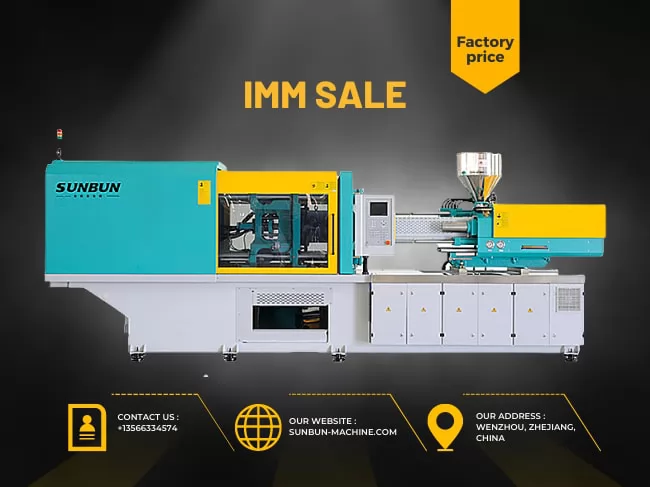
Investing in large machinery is a capital-intensive decision that impacts your company's cash flow for years. Making the wrong choice can lead to operational inefficiencies. Here is a strategic approach to maximize your budget effectiveness.
Step 1: Calculate Required Tonnage & Tie-Bar Spacing
Oversizing is the most common waste of capital in the injection molding industry. A machine that is too big costs significantly more to buy, occupies valuable floor space, and consumes more energy during operation. Conversely, undersizing leads to "flash," poor part quality, and potential mold damage.
Guideline: Use the formula Projected Area (cm²) x Material Factor (0.3-0.5) to estimate tonnage. Crucially, verify that your mold fits between the tie-bars with at least a 20mm clearance for safety and robot access.
Step 2: Prioritize Energy Efficiency (TCO)
Don't just look at the sticker price; look at the Total Cost of Ownership (TCO). For large machines (1000T+), electricity is often the highest operational cost, eventually exceeding the machine's purchase price over a 5-year period.
Example: A cheap, used standard hydraulic machine might save you $30,000 upfront. However, a new energy-efficient Servo machine can save approximately $20,000/year in electricity bills. The new machine pays for the price difference in just 18 months, followed by years of pure profit contribution.
Step 3: Consider Versatility and Future Needs
Markets change rapidly. You might be producing PVC fittings today, but need to switch to PET preforms or automotive parts tomorrow. Ensure your machine has a modular design that allows for upgrades. Choosing a manufacturer that offers specialized screw geometries and swappable software packages protects your long-term investment by allowing the machine to adapt to different materials and products.
Cost-Saving Tips When Buying Large Machinery
Smart procurement strategies can save you significant amounts without compromising on quality.
- Buy Factory Direct: Whenever possible, avoid the markup of multi-tier distribution networks. Buying directly from the manufacturer's international sales team can save 15-30% on the purchase price and ensures you have direct access to technical support.
- Optimize Cycle Time: Time is money. A machine with faster cycle times means you need fewer machines to hit your production targets. Look for high-response servo systems and accumulator options that reduce dry cycle times significantly.
- Select Modular Standard Models: Unless your product is extremely unique, avoid highly customized non-standard dimensions. Standard series machines benefit from mass-production economies of scale and offer much easier spare parts availability in the future.
- Bundle Equipment Packages: Purchasing the machine along with necessary peripherals—such as the auto-loader, chiller, mold temperature controller, and robot—from a single supplier often unlocks package discounts and ensures better system compatibility.
Conclusion
Navigating the purchase of large injection molding machinery in 2025 requires balancing immediate budget constraints with long-term operational efficiency. As we have explored, the "sticker price" is just one component of the decision; clamping force accuracy, drive technology efficiency, and the reliability of the manufacturer play equally pivotal roles in your project's profitability.
Whether you prioritize the extreme precision of electric systems or the robust cost-effectiveness of servo-hydraulic models, the goal is to find a solution that offers the best Total Cost of Ownership (TCO). For manufacturers looking for a blend of global-standard technology, reliable performance, and competitive pricing, Sunbun remains a strong partner in the industry. With decades of experience and a commitment to innovation, we are ready to support your production goals.
If you have specific questions about sizing, pricing, or technical configurations, please don't hesitate to reach out. Contact us to discuss your needs or visit https://www.sunbun-machine.com for more information.
Injection Molding Machine FAQs
Q1: What is the typical lead time for a large (1000T+) injection molding machine?
A1: Lead times vary by customization and manufacturer workload. Standard large models typically take 2-3 months to manufacture and test. Highly customized units may take 4-5 months. Sunbun maintains a stock of castings to strive for industry-leading delivery times.
Q2: How much energy does a servo machine save compared to a standard hydraulic one?
A2: A servo-driven machine typically saves between 40% to 80% of energy. For a large machine running 24/7, this can amount to tens of thousands of dollars in annual savings, effectively paying for the machine over its lifespan.
Q3: Does Sunbun provide installation and operator training?
A3: Yes. We offer comprehensive "turnkey" solutions. This includes logistics handling, on-site installation, system commissioning, and detailed operator training to ensure your team is ready to produce from day one.
Q4: Why is the "Center Clamping" design better for large parts?
A4: Traditional toggle systems apply force at the corners, which can cause the platen to bow slightly in the middle (deflection). Center clamping applies force directly behind the mold cavity. This results in uniform part thickness, less flash, and significantly reduced wear on the mold.