


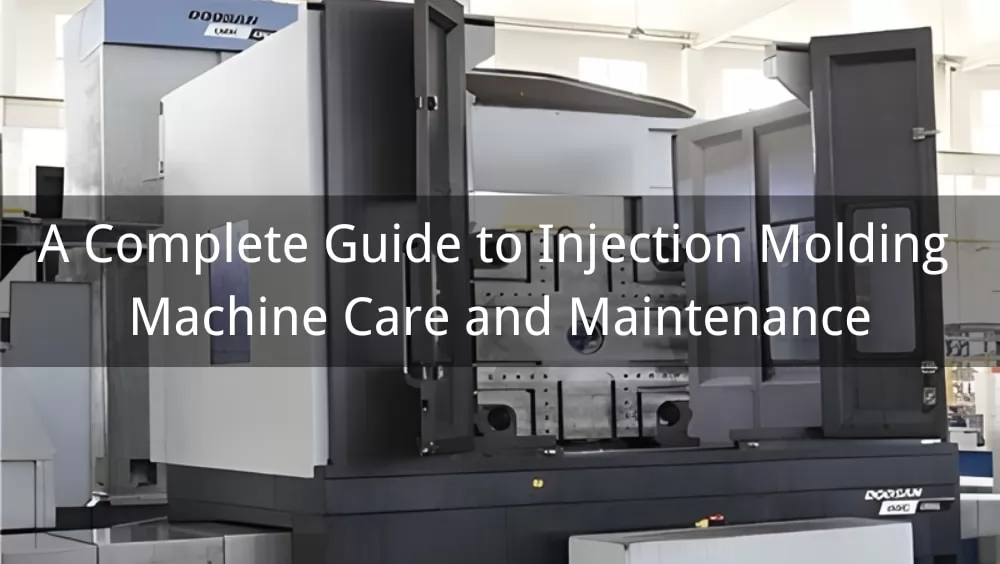
Injection molding machines are the backbone of modern manufacturing, enabling the mass production of plastic parts with precision and efficiency. Whether you're running a small-scale operation or managing a large industrial facility, ensuring the optimal performance and longevity of your injection molding equipment is critical. Proper care and maintenance not only minimize downtime but also reduce operational costs, improve part quality, and extend machine life.
In this comprehensive guide, we’ll walk you through everything you need to know about maintaining your injection molding machines — from daily routines to in-depth preventive strategies, common issues, and expert tips.
Why Injection Molding Machine Maintenance Matters
Injection molding is a high-precision process where even minor deviations can lead to significant defects in the final product. A well-maintained machine operates consistently, produces high-quality parts, and avoids unexpected breakdowns.
Neglecting maintenance can result in increased cycle times, defective or inconsistent products, higher energy consumption, premature wear of components, costly unplanned downtime, and safety hazards for operators. Investing time in regular maintenance pays off by safeguarding your production line, maintaining product consistency, and protecting your bottom line.
Types of Injection Molding Machines
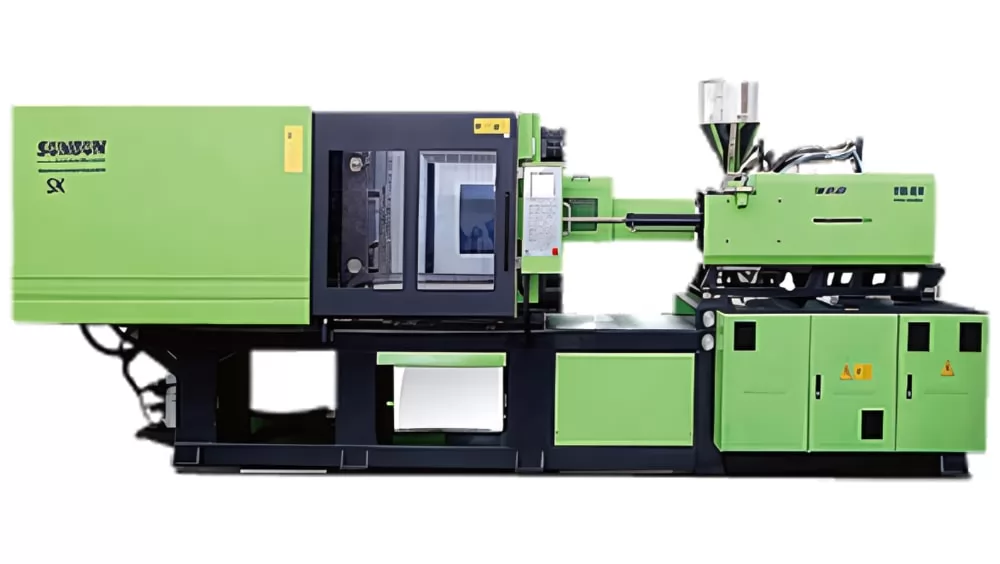
Before diving into maintenance specifics, it’s important to understand that injection molding machines come in different types, primarily:
- Hydraulic Machines – Use hydraulic power to operate the mold and inject material. Require attention to hydraulic fluid levels and temperature.
- All-Electric Machines – Utilize servo motors for precise control. These tend to be more energy-efficient and require less hydraulic maintenance.
- Hybrid Machines – Combine hydraulic and electric systems. Maintenance involves aspects of both machine types.
Each type has its own maintenance requirements, though many best practices are universally applicable.
Daily Maintenance Checklist
Consistency is key. Implementing a daily inspection routine helps catch minor issues before they become major problems.
1. Visual Inspection
- Check for oil leaks, cracks, or loose components.
- Inspect hoses and fittings for wear or damage.
- Ensure the machine is clean and free from plastic debris or dust.
2. Hydraulic System (if applicable)
- Verify hydraulic fluid levels and top up if necessary.
- Look for unusual noises or pressure inconsistencies.
- Check for overheating in the hydraulic unit.
3. Electrical Components
- Inspect control panels and wiring for damage or loose connections.
- Confirm that all displays and operator interfaces are functioning correctly.
4. Mold and Clamping Unit
- Ensure the mold is securely fastened and aligned.
- Check for any signs of wear on the platens or tie bars.
- Monitor clamping force and ensure it matches the required specifications.
5. Screw and Barrel
- Visually inspect for wear or scoring.
- Ensure proper lubrication if applicable.
- Check that the screw rotates smoothly during operation.
Weekly Maintenance Tasks
In addition to your daily checks, performing these weekly maintenance tasks will help preserve your injection molding machine's performance and prevent minor issues from becoming major problems. These procedures take a bit more time but are essential for long-term reliability.
1. Lubrication
Proper lubrication of moving parts is crucial for smooth machine operation. Focus on guide rails, toggle mechanisms, and bearings - components that experience constant motion and friction. Use the lubricant type and application frequency specified in your machine manual. Be careful not to over-lubricate, as excess grease can attract dust and debris that may cause premature wear. A thin, even coating is all that's needed for most components.
2. Cooling System
Your machine's cooling system works hard to maintain proper operating temperatures. Weekly inspection of water hoses and connections can prevent costly downtime. Look for any signs of leaks, cracks, or blockages that could restrict coolant flow. Check coolant levels and verify your temperature controller is maintaining the correct settings. Don't forget to clean strainers or filters that protect your cooling system - clogged filters reduce cooling efficiency and can lead to overheating.
3. Air System
The pneumatic system requires regular attention to maintain consistent performance. Start by draining moisture from air compressors and filters - trapped water can cause corrosion in your air lines. Inspect pneumatic lines for any air leaks that might affect tool operation. Finally, check that all regulators and valves are maintaining proper pressure levels within the manufacturer's specified ranges. Consistent air pressure is essential for reliable operation of many machine functions.
4. Screw and Barrel Maintenance
Your screw and barrel work together to plasticize and inject material, making them critical to part quality. Each week, remove any leftover plastic that may have accumulated. Visually inspect the screw flights and barrel interior for signs of wear like scoring or erosion. While you can perform basic inspections yourself, consider having a professional evaluate the screw and barrel if you notice any wear patterns or reduced performance. Addressing potential issues early can prevent more expensive repairs later.
Monthly & Quarterly Maintenance
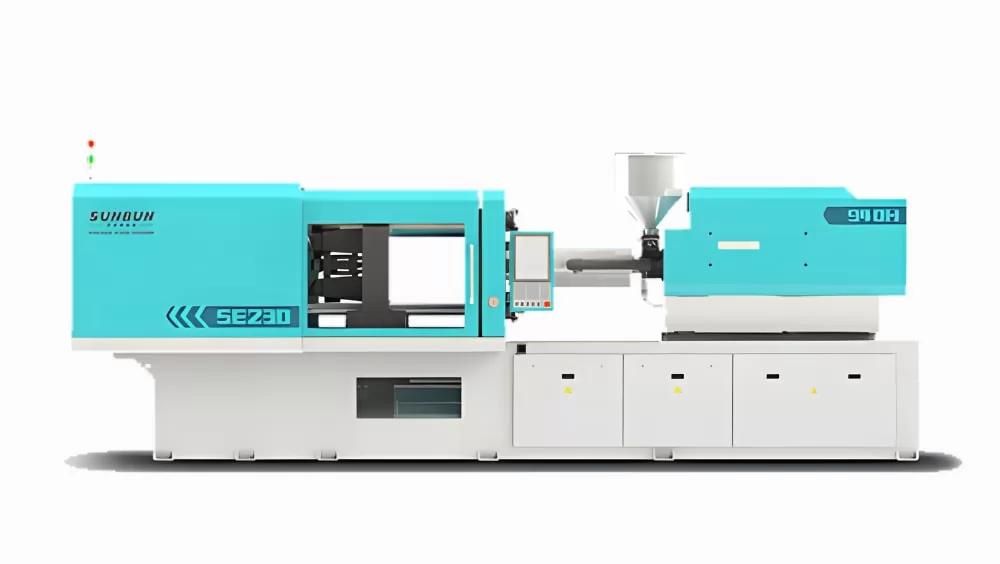
Based on your production volume, schedule in-depth maintenance every month or quarter to catch potential issues early and protect your equipment's long-term performance.
1. Hydraulic Oil Analysis
Test hydraulic fluid for contamination, viscosity changes, or metal particles that signal wear. Replace oil if lab results show degradation or if it's past the manufacturer's recommended change interval.
2. Alignment Checks
Check that mold mounting plates and the moving platen are properly aligned, and verify the clamping unit remains parallel to ensure even pressure during molding.
3. Electrical System Inspection
Tighten electrical connections, inspect relays and circuit boards for wear or overheating, and test emergency stop functions to ensure they work when needed.
4. Screw and Barrel Inspection
Look for wear, scoring, or buildup on the screw and barrel. Measure screw wear with micrometers if possible, and rebuild or replace parts that exceed wear limits.
Annual Overhaul Recommendations
At least once a year, a comprehensive overhaul should be conducted — ideally with the help of trained technicians.
Key Elements of an Annual Overhaul:
- Full disassembly and inspection of critical components
- Replacement of seals, gaskets, and worn parts
- Calibration of the injection unit, clamping mechanism, and temperature controls
- Testing and validation of safety systems
- Review and updating of maintenance logs
This is also a good time to evaluate the overall performance of the machine and determine whether upgrades or replacements are needed.
Common Injection Molding Machine Issues & Solutions
Understanding common problems can help you respond quickly and effectively.
| Issue | Possible Cause | Solution |
|---|---|---|
| Short Shots | Insufficient material, low pressure, or cold temperature | Increase injection pressure, check temperature settings, ensure proper material feed |
| Flash | Excessive pressure or worn mold | Reduce pressure, inspect and repair mold |
| Burn Marks | Trapped air or overly high barrel temperature | Improve venting, adjust temperature and screw speed |
| Warpage | Uneven cooling or cooling time too short | Optimize cooling system, adjust cooling time |
| Machine Won’t Start | Electrical failure, safety lockout, or hydraulic issue | Check power supply, reset safety systems, inspect hydraulics |
Always consult the machine’s manual and involve qualified technicians for complex issues.
Best Practices for Long-Term Machine Health
- Follow Manufacturer Guidelines – Always adhere to the maintenance schedule and procedures recommended by the machine manufacturer.
- Train Operators Thoroughly – Well-trained staff can identify early warning signs and perform basic maintenance tasks correctly.
- Keep Detailed Records – Maintain logs of all maintenance activities, repairs, part replacements, and inspections. This helps track performance over time and plan future maintenance.
- Use Quality Materials and Components – Cheap or incompatible materials can cause premature wear or damage. Always use manufacturer-approved parts.
- Monitor Key Performance Indicators (KPIs) – Track metrics like cycle time, reject rates, energy consumption, and downtime to assess machine health and efficiency.
The Role of Technology in Modern Maintenance
Advancements in IoT (Internet of Things) and predictive maintenance technologies are revolutionizing how we care for injection molding machines.
- Sensors can monitor temperature, pressure, vibration, and other variables in real-time.
- Predictive Analytics help anticipate component failure before it occurs.
- Automated Alerts notify technicians of irregularities, reducing response times.
Investing in smart maintenance technologies can significantly enhance reliability and reduce long-term costs.
Conclusion: Your Path to Uninterrupted Production
Injection molding machines are sophisticated pieces of engineering that demand respect and regular attention. By implementing a structured maintenance program — grounded in daily routines, scheduled servicing, and continuous improvement — you can ensure your operations run smoothly, efficiently, and safely.
Remember, maintenance isn’t just about preventing breakdowns; it’s about optimizing performance, protecting your investment, and delivering consistent quality to your customers. Make machine care a cornerstone of your manufacturing excellence.